
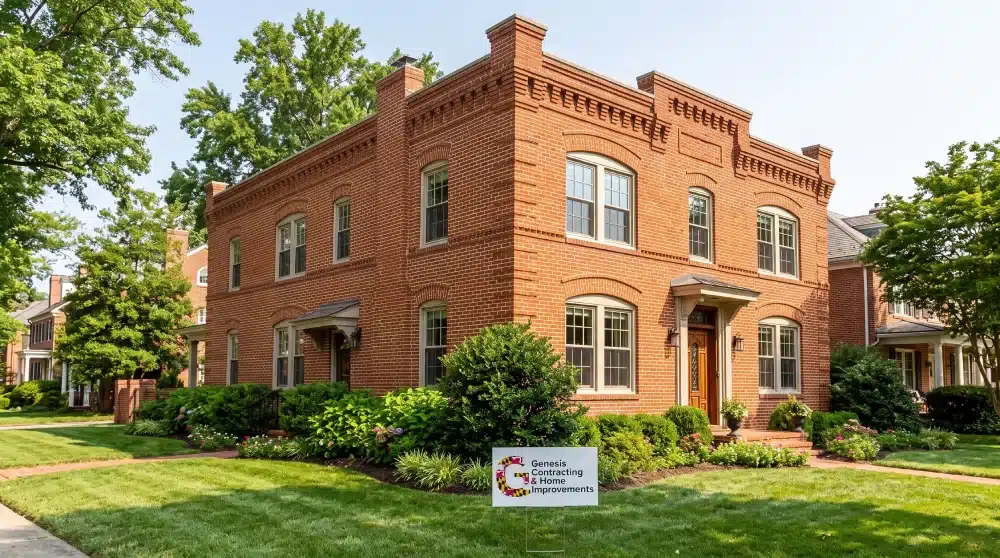
- Focus Service: Whole-House Renovations
- Why it works for October: Another standout review praised Genesis for their attention to detail on a historic neighborhood home with a parapet wall. Highlighting this expertise builds immense trust with a very specific, high-budget local demographic.
Renovating Historic Homes in the Greater Baltimore Area
Modernizing While Preserving Character
October provides an ideal opportunity for property owners in the Greater Baltimore area to evaluate their historic structures. Neighborhoods in Towson, Parkville, and older sections of Perry Hall feature a wealth of early twentieth century architecture. Real estate and census data indicates that a significant portion of the residential housing stock in Baltimore County was constructed prior to 1980. Preserving the unique character of these aging properties while updating their functionality requires careful planning and experienced craftsmanship.
Historic homes often possess distinct architectural elements such as original masonry, intricate woodwork, and classic parapet walls. A recent Genesis Contracting project involved meticulous attention to detail while restoring a parapet wall in a local historic neighborhood. Preserving these details is a strategic investment that appeals to high budget demographics in the current real estate market. Buyers in Howard County and Baltimore County historically place a premium on properties that successfully blend original structural charm with updated interior amenities.
Modernizing an older property generally requires addressing outdated electrical wiring, inefficient plumbing, and poor insulation. Integrating these modern systems into century old framing demands precise engineering and structural expertise. Property owners must ensure that any new additions or system upgrades do not compromise the original structural integrity. By thoughtfully updating these core systems, homeowners can improve daily comfort while mitigating the risk of structural failure during severe Maryland winters.
Navigating Historic District Regulations
Renovating a historic property often involves strict municipal oversight and specialized permitting processes. Properties located within designated historic districts must adhere to specific architectural and zoning guidelines. For example, any exterior alterations in certain jurisdictions require approval from the Baltimore County Landmarks Preservation Commission. These regulations exist to ensure that modifications are historically appropriate and visually cohesive with the surrounding neighborhood.
Understanding these municipal requirements is a critical first step in the renovation planning process. Obtaining the necessary historic review approvals and building permits typically adds several weeks to a project timeline. Property owners can consult local historic district maps to determine if their home falls under these specialized zoning rules. Working closely with knowledgeable [general contracting services](Insert Genesis URL) ensures that all design proposals meet municipal standards before construction begins.
Proper documentation and professional blueprints are generally necessary to secure an authorization to proceed from local preservation boards. Attempting to bypass these regulatory steps can result in costly fines and mandatory removal of unapproved structural modifications. Engaging professionals early in the autumn season allows ample time to secure these permits before the ground freezes or winter weather halts exterior production.
Return on Investment for Historic Restorations
Investing in the structural and cosmetic restoration of a historic home frequently yields a positive financial return upon resale. According to the 2024 Remodeling Cost versus Value Report for the South Atlantic region, substantial residential renovations consistently recoup a significant percentage of their initial cost. Updating key areas like kitchens and bathrooms while retaining historic architectural features tends to attract discerning buyers.
Evaluating the specific needs of an older property helps homeowners prioritize their renovation budget effectively. Some upgrades provide a stronger return by addressing immediate functional or safety concerns.
- Upgrading to energy efficient custom historical windows reduces winter heating costs.
- Replacing outdated knob and tube wiring minimizes fire hazards and satisfies modern insurance requirements.
- Refinishing original hardwood flooring preserves historical authenticity while appealing to contemporary buyers.
- Restoring original masonry or parapet walls prevents moisture intrusion during seasonal storms.
Genesis Contracting and Home Improvements specializes in [whole house renovations](Insert Genesis URL) that respect architectural history while meeting modern living standards. To discuss timelines and project scope for your historic property, please visit our [Contact Us](Insert Genesis URL) page to schedule a professional consultation. We provide objective assessments to help homeowners make informed decisions about their investments in the Greater Baltimore housing market.
Legal Disclaimer
The information provided in this article is intended for general informational purposes only. Renovation timelines, construction costs, and real estate returns on investment vary significantly based on individual property conditions. Local market fluctuations, municipal permit processing times, and historic review board decisions may also impact project delivery dates. Homeowners should consult directly with a licensed general contractor to obtain specific estimates and project timelines. Past performance of remodeling investments in the Baltimore region does not guarantee future financial returns. All structural modifications must be assessed by qualified professionals on a case by case basis.